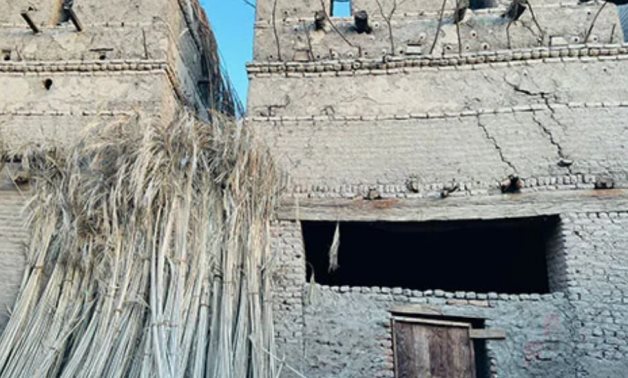
CAIRO - 2 May 2026: Here, amidst mud-brick houses, stand the proud pigeon towers, decades old. These structures were more than just traditional buildings; they served as shelters for raising pigeons.
Below, there were areas designated for livestock, with ample storage for fodder and hay, forming a complete economic project. The pigeons found safe havens within the towers' openings and walls.
In this place, people were connected to their environment and benefited from its bounty.
These towers were meticulously constructed by skilled craftsmen. Although they are now nearing ruin, they still tell a story of beauty.
Workers would spend months completing them, using mud and pottery, with openings designed to allow light and ventilation.
History of the Towers
Hassan Amr stated that the house is over 100 years old and is part of an ancient heritage that the family still preserves. These towers were used for raising mountain pigeons, which were fed grain and returned in the evening. They were cared for and fed continuously.
He noted that the construction of these towers took months and was carried out by specialists in this field from outside the village.
Hossam Hussein explained that the tower building consisted of two floors. The first floor was used for storing grain and crops and for raising livestock and birds, while the second floor housed the towers themselves.
These towers were built of mud bricks and pottery, and specially made earthenware pots were placed side by side, with openings at their ends to allow light and air into the pigeon coops.
Uses of the mountain pigeon
Hussam pointed out that the type of pigeon was mountain pigeon, which is a type that is distinguished by many characteristics that made it a favorite among the locals, as it was used in some popular traditions as a means of treatment, such as treating delayed speech.
The mountain pigeon is also distinguished by its high ability to fly long distances in the desert, but it always returns to its original home.








Comments
Leave a Comment