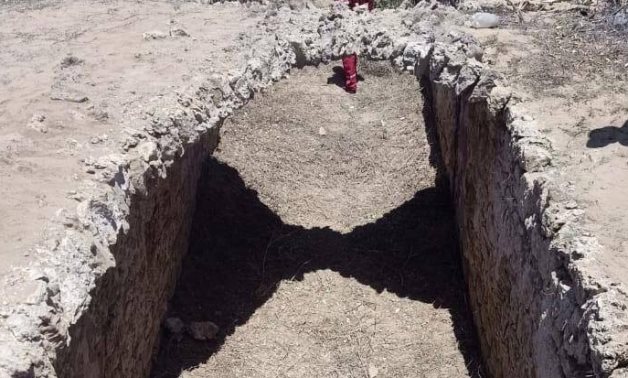
An Egyptian archaeological mission from the Supreme Council of Antiquities has uncovered a group of massive water reservoirs and cisterns- press photo




CAIRO – 28 May 2026: An Egyptian archaeological mission from the Supreme Council of Antiquities has uncovered a group of massive water reservoirs and cisterns, along with several buildings and service facilities, during excavations at the ancient port of Aydhab in the Halaib region on the Red Sea coast.
The discovery offers new insight into the infrastructure of Aydhab, which was considered one of Egypt’s most prominent and strategically important ports during the Islamic era, said the Egyptian Ministry of Antiquities and Tourism in a statement on Thursday.
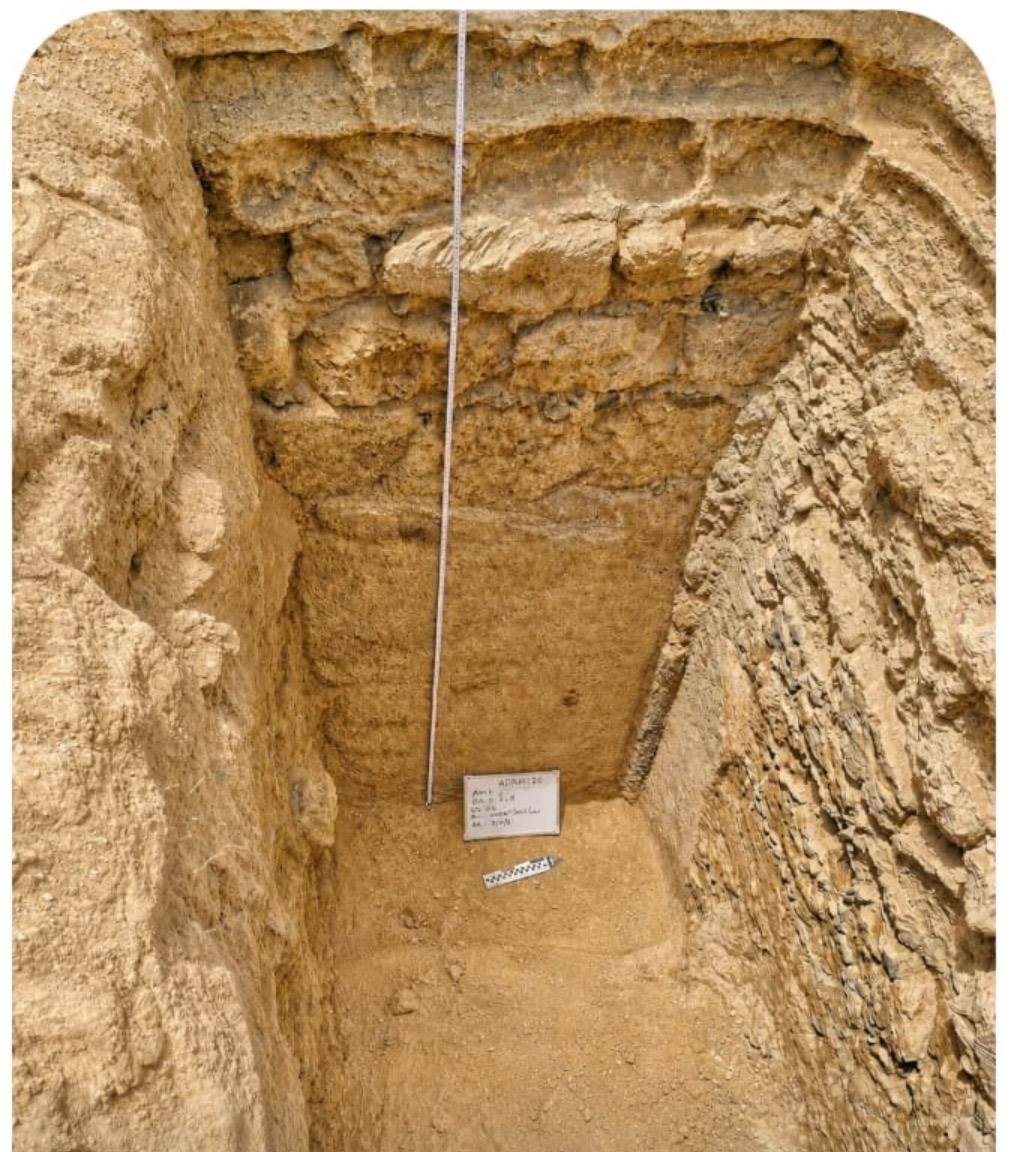
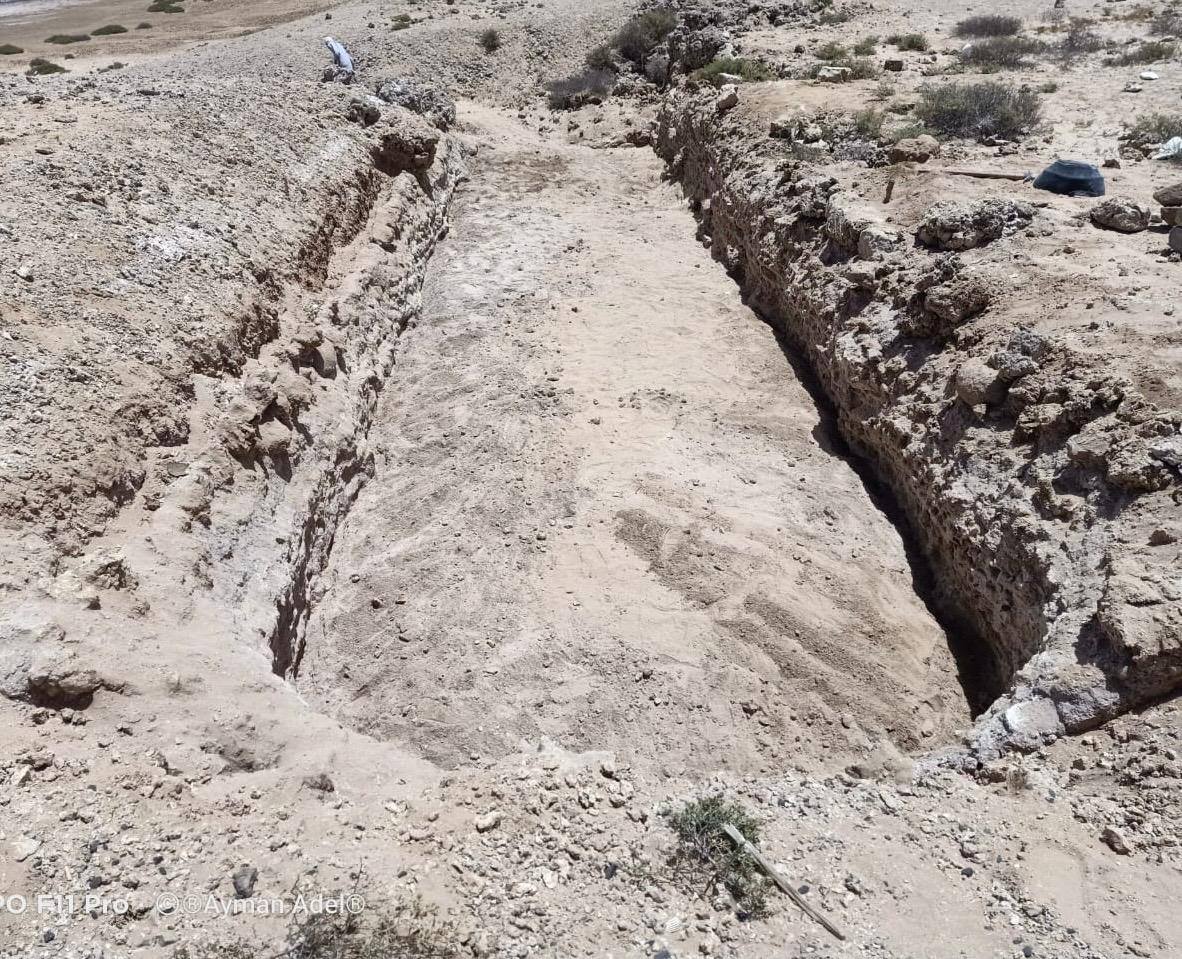
Dr. Diaa Zahran, Head of the Islamic, Coptic, and Jewish Antiquities Sector, stated that the excavations, led by Professor Mohamed Abu El-Wafa, resulted in the discovery of a massive main cistern measuring approximately 15.10 meters in length, 3.15 meters in width, and nearly 3 meters in height. The cistern was constructed using sandstone and local coral stones, then coated with a layer of white limestone mortar to seal the structure and prevent water leakage. In addition, several other cisterns were uncovered on the southern side of the site.
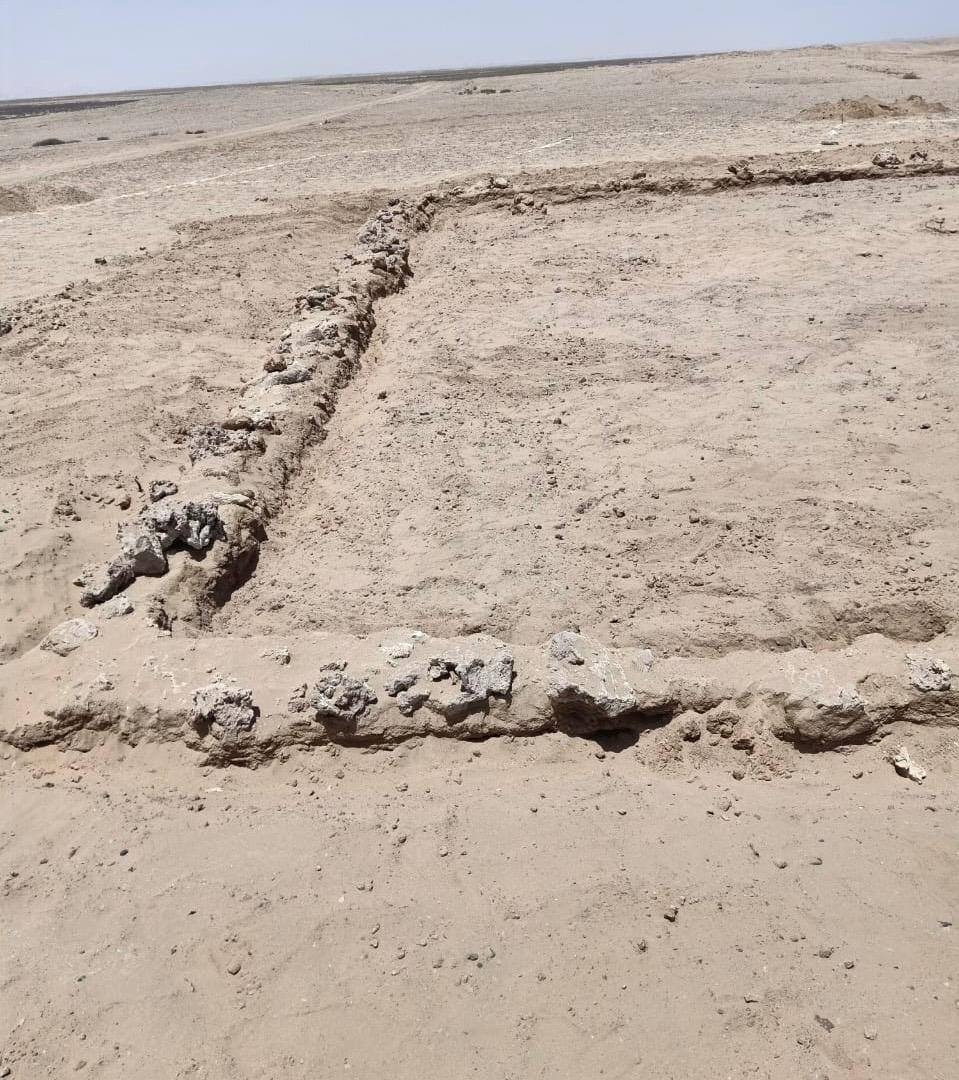
He added that archaeological surveys conducted in the surrounding area also uncovered the remains of residential building foundations, watchtowers, and service facilities, pointing to a comprehensive system for managing the port and meeting the needs of the pilgrims and merchants who frequented it for centuries.
Minister of Tourism and Antiquities Sherif Fathy said the discovery helps highlight the development of ancient Egyptian ports and their advanced infrastructure, which supported trade and pilgrimage activities. He added that the findings underscore Egypt’s strategic importance as a major cultural and commercial hub throughout history.
Fathy also emphasized the ministry’s commitment to archaeological excavations and research in border and remote areas due to their considerable historical and cultural significance.
For his part, Dr. Hisham El-Leithy, Secretary-General of the Supreme Council of Antiquities, explained that the discovery sheds light on an important aspect of the service infrastructure on which the historic port of Aydhab depended. Water cisterns constituted a vital component in supporting maritime and commercial activities, as well as meeting the needs of pilgrims arriving at the port en route to the Holy Land.
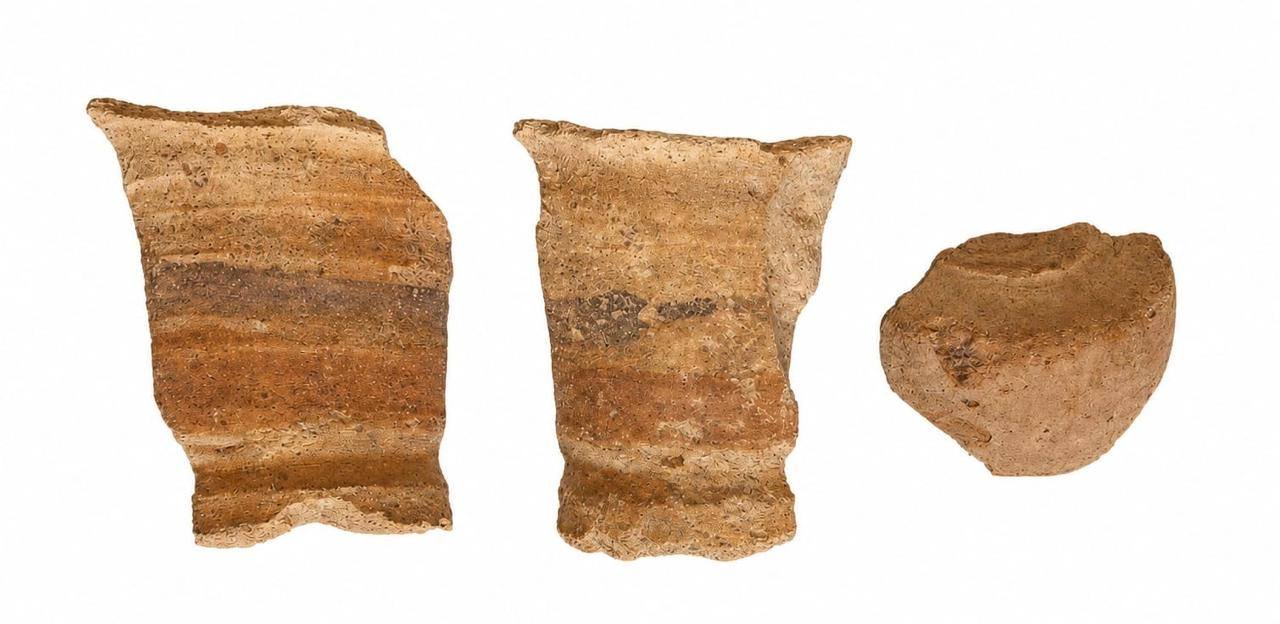
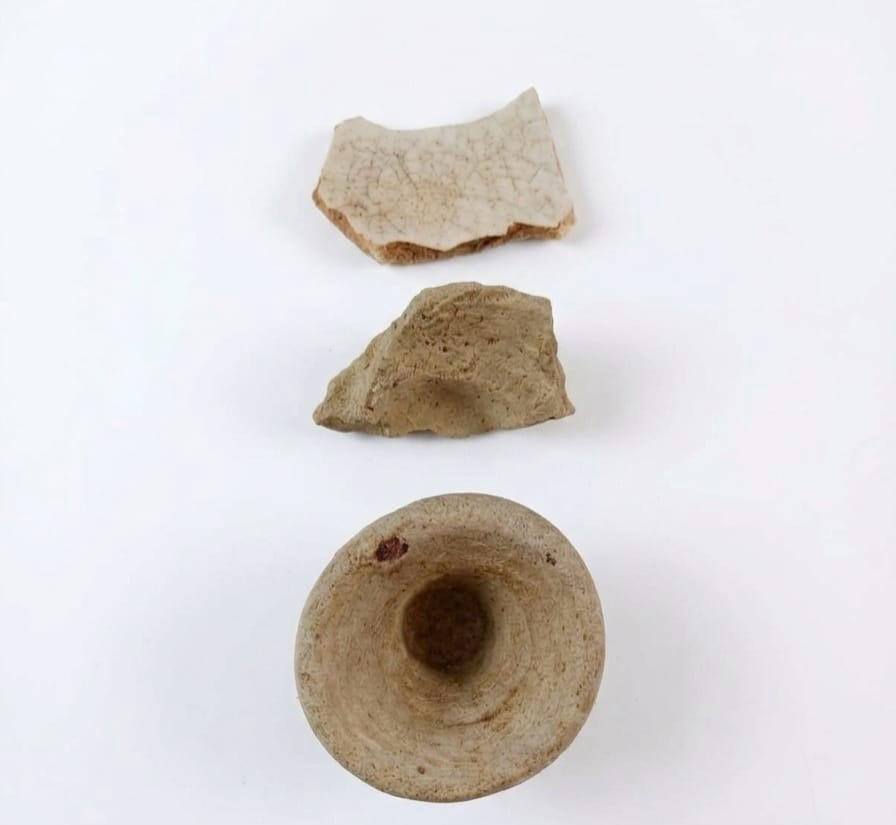
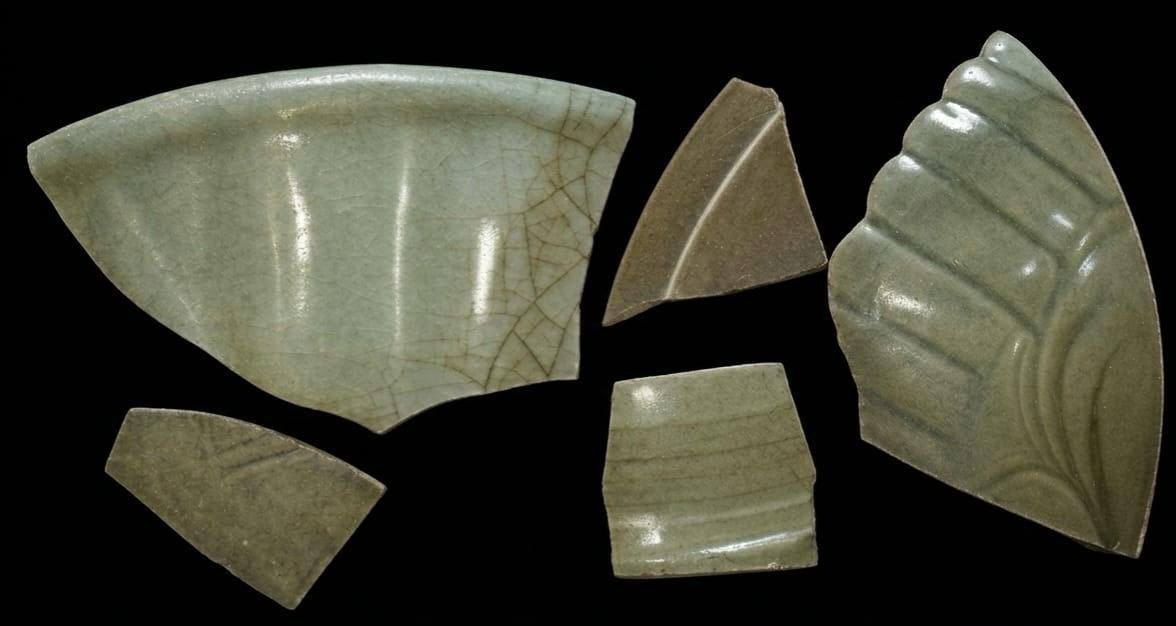
The mission also unearthed a collection of significant archaeological finds, including pottery fragments dating back to the Fatimid era, some of which were painted green, as well as fragments of imported Chinese porcelain. These discoveries reflect the flourishing commercial activity at the port and the extent of its maritime connections with numerous regions, particularly India, Yemen, and East Africa.
The port of Aydhab was one of the most prominent Red Sea ports during the Middle Ages, serving as a major transit point for pilgrims from Egypt and North Africa on their way to the Holy Land, in addition to playing a pivotal role in maritime trade.

Be Social




Comments
Leave a Comment